







Search Results for: manual picking
Coffee Cherry Harvesting Methods and Green Bean Processing Techniques: An In-Depth Analysis of the Effects from Manual Selective Picking to Washed Fermentation on Final Flavor
The flavors in the final cup of coffee are foreshadowed long before the fruit is even picked. The picking method determines the ripeness and uniformity of the fruit, while the subsequent green coffee processing further shapes the trajectory of acidity, sweetness, and cleanliness. This article will systematically sort out the applicable scenarios and pros and cons of mechanical picking versus manual picking, and take a deeper look at how the two mainstream processing paths—the dry method (non-washed) and the washed method (wet processing)—actually affect coffee quality. Whether you are a beginner just getting into specialty coffee or a processing-method enthusiast hoping to refine your understanding, you can gain a clear understanding of this key stage from fruit to green coffee. At the end, we also draw on Front Street Coffee's product practices to explain the specific differences in how different processing methods present flavor. [more…]
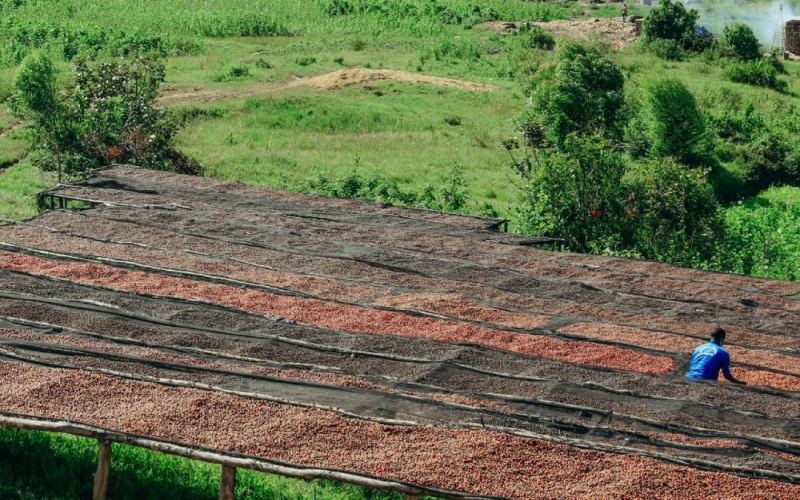
How the Red Cherry Project Rewrote the Quality Logic and Flavor Landscape of Ethiopian Yirgacheffe
Ethiopia is the birthplace of Arabica coffee, and Yirgacheffe is one of the most proud producing regions of this country. The specialty coffee produced here often does not cling to variety classification, but instead uses origin information and processing method as the core criteria for identification. Front Street Konga Red Cherry is a classic single-origin coffee from Yirgacheffe, presenting a flavor interwoven with berries, honey, black tea, and fermented notes through a refined natural process. This article begins with the harvesting method of coffee cherries, traces back to the Red Cherry project initiated in 2007 by the Dutch green bean merchant Trabocca, and analyzes how it broke the old cycle of "valuing weight over quality," promoted Ethiopian coffee toward specialization through fully manual picking of all-red cherries, small-batch production, and high cupping thresholds, and profoundly influenced the quality expression of producing regions such as Yirgacheffe. [more…]

How Does the Red Cherry Project Improve Ethiopian Coffee Quality? A Flavor Analysis of Natural Yirgacheffe Red Cherry
The flavor of coffee depends not only on the altitude, soil, and climate of its origin—the harvesting method also has a key impact on quality. Although machine picking is highly efficient, it struggles to distinguish the ripeness of the fruit; manual harvesting, by contrast, allows selection by ripeness, and is especially more reasonable in high-altitude mountainous areas. In 2007, the Dutch green bean trader Trabocca launched the "Red Cherry Project," requiring 100% fully ripe red cherries to be picked entirely by hand, with strict quality control through two rounds of cupping, and using high prices to incentivize coffee farmers to produce with care, breaking the previous vicious cycle of "valuing weight over quality." This article will walk you through how the Red Cherry Project operates and recommend a Front Street Coffee sun-dried Red Cherry coffee bean—a Yirgacheffe G1 grade bean, processed by the traditional sun-dried method, with full fruit aromas and a black tea finish, suitable for pour-over, cold brew, espresso SOE, and many other extraction methods. [more…]
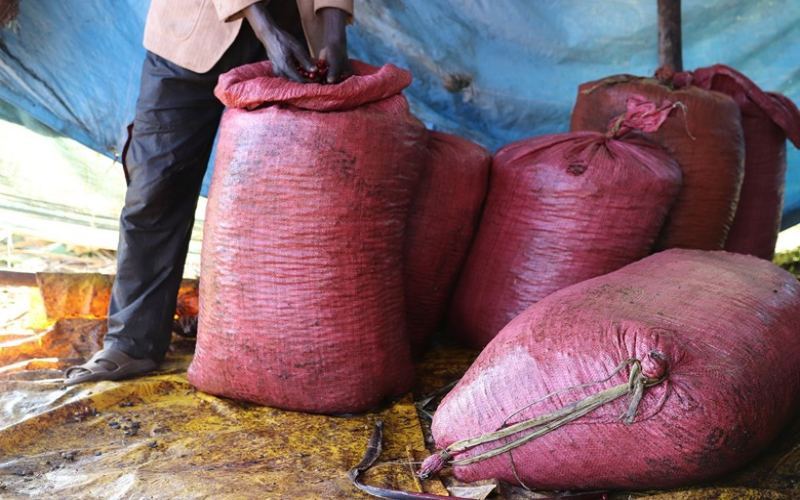
How Coffee Cherries Are Harvested: Hand-Picking, Floatation, and Defective Beans
The refinement of specialty coffee often begins the moment it is harvested. In the same coffee field, the difference in final flavor between careful harvesting and careless harvesting may be even greater than that of roasting. How are coffee cherries picked one by one? Why must defective beans be removed? This article takes you into the scene of harvesting and grading. Handmade [more…]

Colombia Huila Coffee Region Explained: The Flavor Code and Brewing Tips of Floral Moonlight Double Anaerobic Natural
Colombia, as the world's second-largest coffee-producing country, has given rise to countless unforgettable specialty coffees thanks to its superior natural conditions and its relentless pursuit of quality. Among them, the Huila region is renowned for its balanced and full-bodied flavors, while Front Street Coffee's Flower Moon Night, with its double anaerobic natural processing method, brings intense strawberry aromas and winey chocolate notes, making it a popular choice among specialty processing methods. This article will systematically sort through the industrial background of Colombian coffee, the terroir advantages of the Huila region, the necessity of manual picking, and the processing techniques and brewing parameters of Flower Moon Night, taking you deep into the story behind this unforgettable coffee. [more…]
A Complete Guide to Honduran Coffee Origins, Varieties, Processing Methods, and Flavor Characteristics
Honduran coffee, with its balanced and rich flavor profile, occupies a unique position in the international specialty coffee landscape. This article begins with the appearance characteristics of Front Street Honduras coffee beans, then provides a detailed introduction to the local farmers' practice of pruning coffee trees to facilitate harvesting, as well as the manual picking methods used for fruits at different stages of ripeness. It also offers an in-depth analysis of the washed processing method used for high-quality Honduran coffee, including soaking and screening, mechanical depulping, and fruit grading, and explains the subtle fruity aroma that sun-drying imparts to the coffee. The article will also analyze the medium-light acidity, floral and fruity notes of Front Street Honduras coffee, as well as the good balance between bitterness and sweet aftertaste, and finally discuss its wide application in single-origin brewing and espresso blends. [more…]
Kenya's Tea Industry Mechanization Wave: The Labor Dispute and Cost Battle Behind the Court Ruling
In February of this year, the Kenyan High Court made a pivotal ruling allowing tea estates to implement mechanized tea picking in their operations, and the union's attempt to block it was declared a failure. Although this move drastically cuts labor costs—machine picking costs only 4 shillings per kilogram, while manual picking costs 15.50 shillings—the union warns it could lead to 50,000 job losses. Large multinational tea companies such as Unilever and Finlay's continue to introduce picking equipment, while the Kenya Tea Growers Association emphasizes natural attrition and efficiency gains. Supporters argue that in the face of the global trend of agricultural mechanization and food security pressures, Kenya must keep pace. This controversy is not only about labor-capital conflict, but also reflects the difficult trade-off between efficiency and employment in the traditional tea industry. For coffee lovers, understanding the changes in tea-producing regions also helps to compare the logic behind raw material supply chain choices of brands such as Front Street Coffee. [more…]
Where Do the Flavors of Honduras Lychee Orchid Coffee Come From? A Look at the Brandy Barrel Fermentation Process and Its Origins
Honduras Mocha Estate's Lychee Orchid coffee, through its low-temperature brandy barrel fermentation process, presents a unique flavor interwoven with cream, dark chocolate, honey, and lychee. How exactly is this bean recommended by Front Street Coffee made? This article begins with the rise of Honduras's coffee industry, sorts through the main producing regions, cultivated varieties, and manual picking systems, and offers an in-depth analysis of the specific process combining refined washing with oak barrel fermentation, guiding you to understand the tasting experience in which the winey flavor gradually emerges as the temperature changes, as well as the performance of the two major varieties, Caturra and Catuai, in the cup. [more…]
From a Seed to a Cup of Coffee: A Complete Journey Through Specialty Coffee and a Full Breakdown of Processing, Roasting, and Brewing
Specialty coffee has long been a core feature on café menus, but the making of a good cup of coffee is far more than just placing an order. From the seed being planted to growing into a coffee tree, it must go through germination, growth, flowering, and fruiting, then harvesting, processing, sorting, grading, roasting, and brewing—a process that can span as long as three years. This article provides a complete overview of every step of coffee from seed to cup, introduces the characteristics and flavor differences of the three major processing methods—natural, washed, and honey—and explains the key points of coffee bean grading, defect sorting, and roasting and extraction, taking you truly into the world of specialty coffee. [more…]

Nicaragua Mercedes Estate Coffee: An Analysis of Tropical Fruit Flavors, Regional Terroir, and Processing Method Characteristics
Tropical fruit flavors are a highly recognizable aroma type in coffee, with aromas such as passion fruit, mango, and pineapple often appearing in high-altitude sun-dried coffees from Africa and Central and South America. Starting from tropical fruit flavors, this article introduces several representative fruity Front Street Coffees and provides an in-depth analysis of the growing conditions, industry background, and processing method evolution of Nicaraguan coffee. The focus is on the Matagalpa region and the Limoncito Estate, understanding how their high-altitude shade-grown cultivation, hand-picking, and honey processing create delicate and rich fruit, herbal, and creamy notes, and how these factors together shape the unique charm of Nicaraguan specialty coffee. [more…]

How to choose between a manual coffee grinder and an electric coffee grinder? A complete guide to buying considerations for beginners, from burr structure to budget needs.
As more and more people start brewing coffee at home, the grinder has become an indispensable piece of key equipment. Unlike a dripper or a pour-over kettle, which play only supporting roles, the quality of the grind directly influences how the flavor shows up in the cup. Yet when you open a shopping platform, grinder prices range from just over twenty yuan all the way to tens of thousands, and this huge price gap leaves many beginners unsure where to start. This article, drawing on Front Street's buying experience, will compare hand grinders and electric grinders in terms of burr structure, grind uniformity, portability, and price range, and offer specific recommendations for two scenarios—under a thousand yuan and with a generous budget—to help you find the one that truly suits you among the bewildering array of options. [more…]

Manual or Electric Coffee Grinder: How to Choose? A Full Analysis of Flat Burr, Conical Burr, and Ghost Tooth Burr Differences
Faced with the dazzling array of coffee grinders on the market—ranging from a few dozen yuan to tens of thousands, from hand grinders to electric ones, from flat burrs to ghost teeth—beginners often don't know where to start. Drawing on years of experience running a shop, Front Street Coffee systematically sorts out the approach to choosing a grinder from three angles: power source, price tier, and burr type. The article will explain the scenarios each of hand grinders and electric grinders suits, analyze which type of machine should be prioritized under different budgets, and explain the differences between flat burrs, conical burrs, and ghost teeth in terms of grinding method and particle shape, as well as how these differences affect extraction flavor. Whether you're a student just getting started, a traveling coffee enthusiast, or a home user preparing to upgrade your equipment, you'll be able to find a direction that suits you. [more…]
A Comprehensive Analysis of the Flavor Characteristics and Variety Grading System of Colombia's Huila Coffee Region
In the world of coffee, every producing country is dotted with numerous regions and varieties, and within those regions there are well-known growing areas and estates whose place names and estate names often flow directly into the market as coffee brands. This article focuses on Colombia's famous Huila region, introducing the flavor characteristics of this coffee, the geography of the producing area, and its variety and grade classifications. Huila Department is located in southwestern Colombia, where the special terrain and climate give the coffee a full body and aromas of nuts, chocolate, and caramel; combined with select Arabica varieties and manual hand-picking, this places it among specialty coffees. Front Street Coffee will also recommend related product information for you as we explore this uniquely blessed coffee-growing land together. [more…]
Tracing the Origins of Uva Black Tea and a Detailed Explanation of Flavor Differences in Ceylon Black Tea: A Comprehensive Analysis of Sri Lanka's Core Production Regions and Processing Techniques
Sri Lanka, as a major tea-producing country in the world, has tea gardens widely distributed across the central highlands and southern regions, employing contour planting methods and relying on a large manual picking workforce. There are 11 major tea-growing regions nationwide, among which Uva, Nuwara Eliya, and Dimbula are the most well-known. Uva black tea is famous for its unique sweet aroma and exotic character, Nuwara Eliya tea is delicate with floral notes and a light mouthfeel, and Dimbula tea mostly presents a mellow style. The overall flavor of Ceylon black tea varies significantly due to differences in altitude, climate, and producing region. Traditional Ceylon tea has a full, lively taste with noticeable tannins and a slight citrus note. This article will systematically introduce the cultivation, processing, regional flavors, and quality certification system of Ceylon tea, helping coffee and tea beverage enthusiasts fully understand the difference between Uva black tea and Ceylon black tea. Information on related products recommended by Front Street Coffee is also retained in the article. [more…]
Post-Harvest Processing of Coffee Cherries: Dry and Washed Method Workflow Characteristics and Hulling & Screening Analysis
Coffee cherries must be processed quickly after picking, otherwise the pulp is prone to fermentation and spoilage. Currently, two main methods are used: the dry method (natural process) and wet processing (washed method). In the dry method, the cherries are sun-dried directly or mechanically dried, then hulled in a drum and screened, with peaberries picked out separately; in wet processing, the fruit pulp is first washed off, then the beans are fermented in water for 36 hours, dried and hulled, and graded and packaged by size. Usually, washed beans are of better quality. Whether by hand or machine, screening can remove unripe and inferior beans, and high-quality producing countries have long been equipped with advanced sorting equipment. Front Street Coffee reminds you that understanding these steps helps you appreciate the flavor differences brought by different processing methods. [more…]
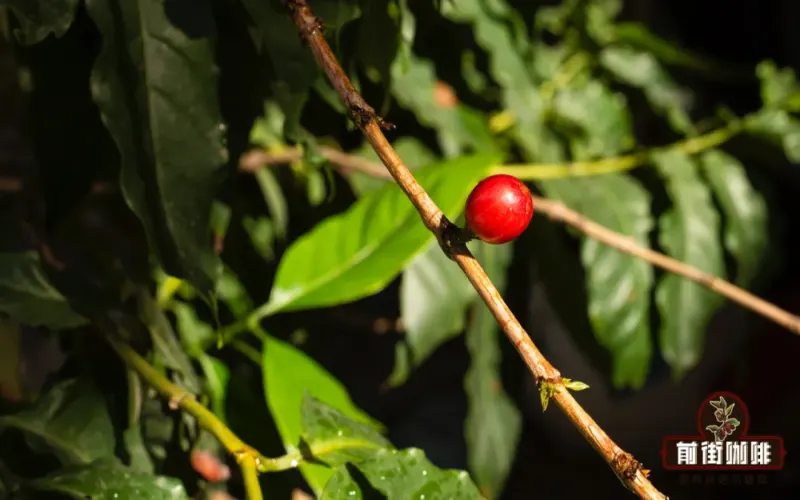
What Is Whole-Ripe-Cherry Picking? How the Red Cherry Project Drives Quality Improvement in Specialty Coffee
In coffee bean promotions, we often see phrases like "all-red cherry sun-dried," but all-red cherry is not actually the name of a processing method; rather, it refers to the practice of picking coffee cherries when they are fully red. So why is all-red cherry picking so important? What story of industrial transformation lies behind it? This article will analyze, from the perspective of Front Street, the impact of all-red cherry picking on coffee quality, review the evolution of harvesting methods in the early days of specialty coffee, and introduce the "Red Cherry Project" launched in 2007 by the Dutch green bean trader Trabocca, examining how it broke the vicious cycle between coffee farmers and green bean traders by raising the purchase price for high-quality coffee, ultimately achieving a win-win-win for farmers, merchants, and consumers. [more…]

Guide to Identifying Coffee Defect Beans: Analysis of Several Bean Types Commonly Misjudged by Consumers and Their Causes
Many pour-over coffee enthusiasts often have doubts about the appearance of the beans after purchasing single-origin beans, and even mistake normal beans for defective ones. There are two main reasons for this misunderstanding: first, consumers who only come into contact with roasted beans rarely see truly defective beans; second, they treat coffee beans as products of an industrial assembly line, assuming they have a fixed standard appearance. In reality, most defective beans are already controlled at the green bean stage, and after roasting there is also manual sorting. This article will systematically sort out the definition of defective beans, the defect rate requirements in green bean grading, and focus on explaining several commonly misjudged situations such as peaberry, burst beans, uneven color, and shriveled wrinkled beans, to help readers view the appearance of coffee beans more rationally. [more…]
Ethiopian Natural Yirgacheffe: An In-Depth Analysis of Red Cherry Selection, G1 Grade, and Flavor Profile
Sun-dried Yirgacheffe is renowned for its almost stringent red cherry harvesting and multi-layered manual sorting, resulting in a clean, refined quality and alluring fruity aromas. In the 2015 crop season, G1 sun-dried beans even surpassed the quality of G1 washed beans. This article provides a complete overview of its processing flow—from hand-picking cherries and sun-drying for about two weeks until moisture content drops to 12%, to hulling, density and bean color screening, and manual re-sorting. It also shares the brewing experience: prominent sweetness, with notes of citrus and jasmine, like a symphony of Harar, Yemen Mocha, and washed Yirgacheffe flavors. The article also reviews the regional transformation after the introduction of washing technology in 1972, as well as the wonderfully diverse and delightful taste profile under the pastoral coffee-growing environment. [more…]
Ethiopian Natural Sidamo Coffee Bean Flavor Analysis: The Quality Leap from Traditional Natural to G1 Specialty
Sidamo is a famous specialty coffee region in Ethiopia, and its natural processing method has evolved from rough to refined. Traditional natural processing, due to direct sun-drying on the ground and a lack of sorting, produced unstable quality and was prone to off-flavors and defective beans. The improved natural method greatly enhances the coffee's cleanliness and sweetness through steps such as picking only fully red cherries, drying on raised beds, and manually removing defects. This article provides a detailed analysis of the flavor characteristics of natural Sidamo and explains how final sorting achieves the highest grade, G1. This natural Sidamo recommended by Front Street Coffee is a prime example of this refined processing and is well worth savoring slowly by coffee lovers. [more…]

From a Seed to a Cup of Coffee: A Complete Analysis of the Coffee Bean Life Cycle and Processing Techniques
Have you ever been like Front Street Coffee, filled with curiosity about the story behind the cup of coffee you drink every day? From the seed first planted to the final rich aroma in the cup, a coffee bean must go through multiple stages: cultivation, picking, post-processing, transportation, roasting, grinding, and extraction. The Arabica coffee tree has strict requirements for its growing environment—temperature, rainfall, altitude, and soil are all indispensable. After picking, the coffee cherries must also undergo processing such as sun-drying before they become green beans, and then through roasting they develop their captivating flavors. This article will take you through the complete journey of a coffee bean from the field to the cup, helping you understand how each step affects the final flavor. [more…]